
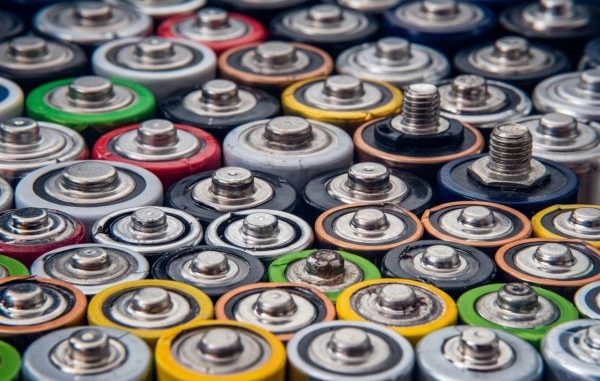
Local waste management crews across southeastern North Carolina face a hidden hazard every day: dead lithium-ion batteries tossed into residential trash.
When compressed by a garbage truck’s hydraulic packer blades or crushed at transfer stations, these compact energy sources easily breach. The resulting “thermal runaway” triggers intense heat and toxic gas in seconds, turning household waste into a dangerous vehicle fire before drivers even notice the smoke.
“County waste facilities across North Carolina experience at least one fire every three months on average,” officials warn. “The danger isn’t confined to drop-off centers—it travels right down our rural roads and neighborhood streets.”
To combat growing fire risks, North Carolina is tightening disposal laws. Beginning December 1, a statewide ban under Session Law 2023-137 (amending General Statute 130A-309.10) will officially prohibit disposing of lithium-ion batteries in municipal landfills or incinerators.
Passed in 2023, the law gave local governments three years to set up collection systems before enforcement kicks in. With Fire Prevention Week in full swing (October 4–10), solid waste departments are urging residents to adapt their routine now.
Lithium-ion batteries are widely used in modern household devices, including: cellphones, tablets, and laptops, power tools and rechargeable lawn equipment, vapes and e-cigarettes and E-bikes and battery-powered toys.
When intact, these batteries are safe. However, the crushing pressure inside a collection truck can rupture internal seals, shorting the battery and causing temperatures to spike past 1,000°F.
Sanitation officials recommend three simple practices for safe disposal:
-
Keep Out of Trash Can/Carts: Never throw rechargeable or lithium batteries into regular household trash or curbside recycling bins.
-
Use County Transfer Stations & HHW Days: Drop off used batteries at designated local recycling drop-offs or Household Hazardous Waste (HHW) collection events.
-
Tape the Ends: Put clear tape over the battery terminals or place each battery in a separate plastic bag to eliminate friction sparks during transport.
For local drop-off locations and hours, check with your local county solid waste division before the December deadline.
© 2026 ColumbusCountyNews.com | Jones Media Partners LLC. All rights reserved


Be the first to comment