
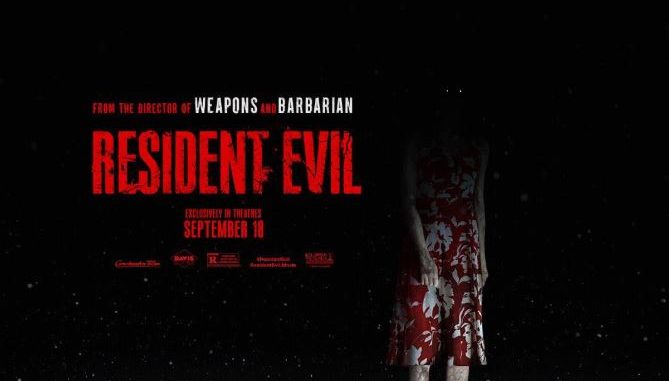

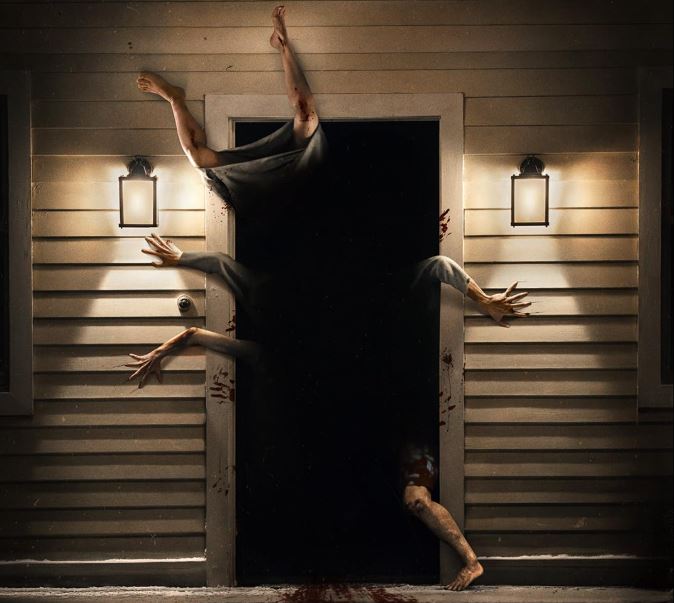
Resident Evil delivers a propulsive, inventive reinvention of the franchise that earns a solid 9 out of 10 by capturing the panic and improvisation of playing a classic survival-horror game while standing as a sharp, self-contained horror film in its own right.
Zach Cregger’s film follows Bryan Hodukavich, a medical courier played by Austin Abrams, who accepts a last-minute delivery to Raccoon City General Hospital in the Colorado mountains. What begins as an ordinary night of driving through snow and arguing on the phone with his pregnant girlfriend quickly collapses into chaos as a viral outbreak spreads, forcing Bryan into a relentless race against mutated horrors. Cregger, coming off the successes of “Barbarian” and “Weapons”, directs with clear affection for the Capcom games and a refusal to simply retell their plots. He treats the material as a love letter to the player experience—being one ordinary person stumbling through an escalating nightmare—rather than a checklist of cameos or lore dumps.
Austin Abrams carries the entire film with remarkable skill. His Bryan is neither a trained operative nor a wisecracking action hero; he is a believable, slightly awkward everyman whose fear, determination, and occasional competence feel earned. Abrams mixes genuine terror with dry, reactive humor that never undercuts the stakes. Supporting players appear and exit with purpose. Paul Walter Hauser and Kali Reis make strong impressions as Umbrella employees who briefly aid Bryan, while Zach Cherry contributes as a scientist later in the story. Their limited screen time keeps the focus tightly on Bryan’s isolation, which is one of the film’s smartest choices.
The tone expertly balances white-knuckle tension with dark, often absurd comedy. Cregger weaponizes laughter as a release valve in the same way he uses screams, creating a rhythm that feels closer to “Evil Dead II” or “Shaun of the Dead” than to previous live-action “Resident Evil” entries. The humor never softens the horror; it heightens it by reminding us how ridiculous and overwhelming the situation is. Scare craft is equally assured. Early jump scares land with precision, while later sequences rely more on sustained dread, grotesque transformations, and the constant threat of limited resources. Ammunition counts, locked doors, and dwindling options recreate the resource-management anxiety of the games without feeling like forced fan service.
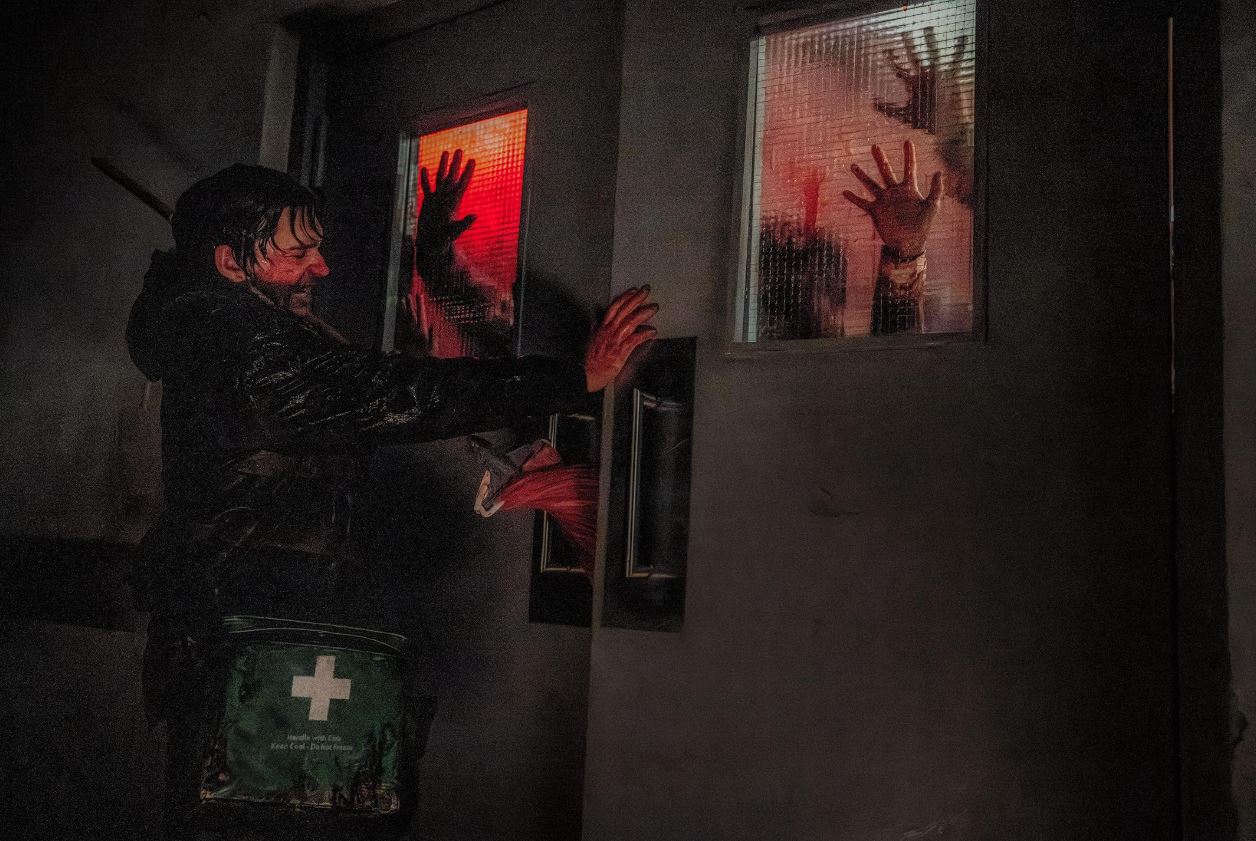
Creature design stands out as some of the most memorable and disgusting body horror in recent mainstream cinema. Mutated dogs, fused human amalgams that grow by absorbing victims, acid-spewing patients, and worse populate Bryan’s path. Practical effects and digital work blend into nightmarish, tactile monstrosities that feel both game-inspired and freshly inventively grotesque.
Pacing is relentless across the 94-minute runtime. The story is essentially a single continuous night of survival, structured like a game level that grows more complex and deadly. There are almost no wasted moments; every encounter escalates the danger and depletes Bryan’s options in logical, increasingly desperate ways. Cinematographer Dariusz Wolski gives the snowy Colorado landscapes and the increasingly ruined hospital a cold, oppressive beauty. Night exteriors feel isolating, while the hospital interiors shift from clinical to nightmarish as the outbreak consumes the building.
The film smartly echoes gameplay mechanics—weapon progression, healing items, key puzzles, and first-person moments of searching rooms—without turning into a series of winking references. These elements serve the story and reinforce the feeling of being trapped inside a “Resident Evil” experience rather than merely watching one.
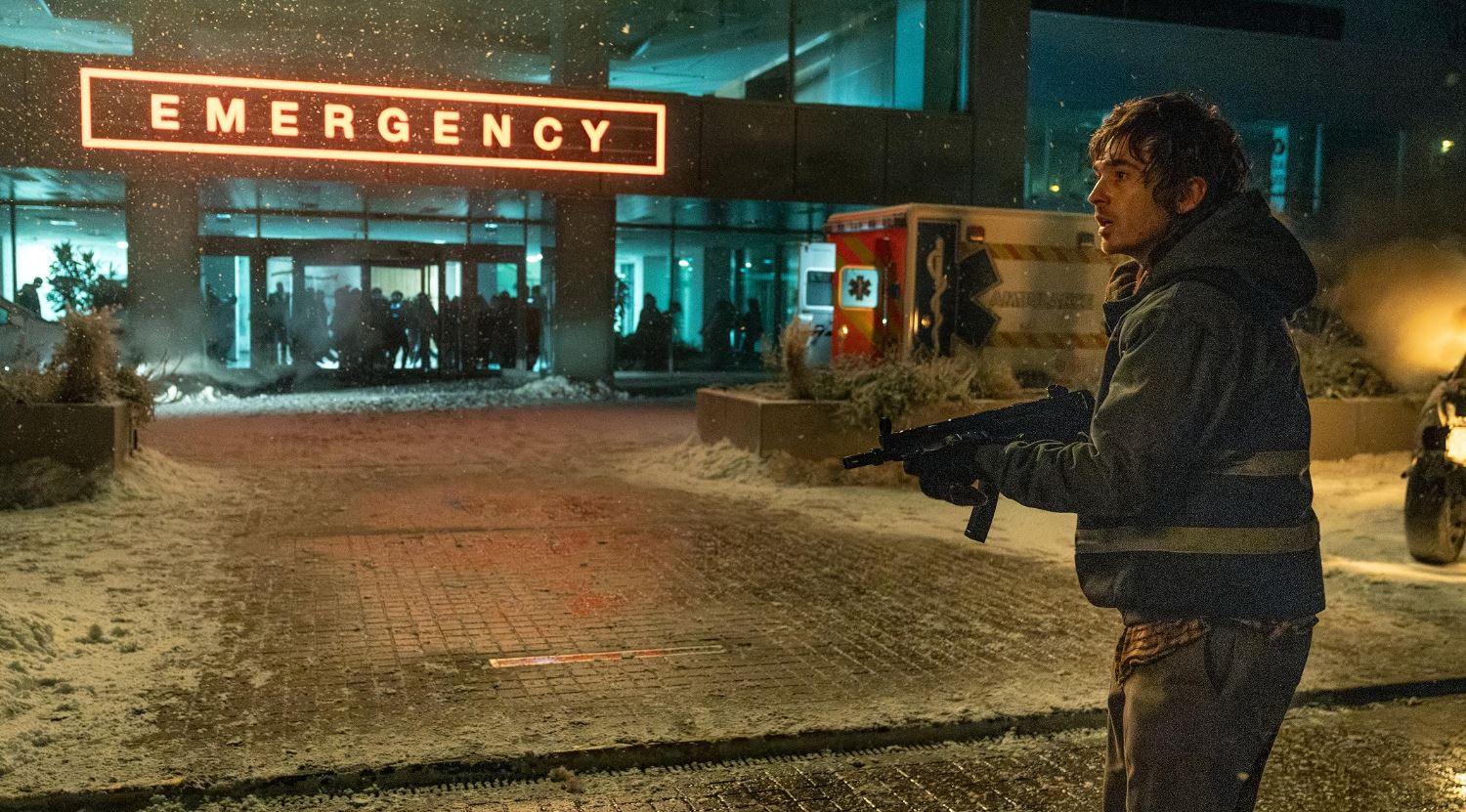
Beneath the gore and set pieces runs a quiet thematic current about unreadiness for responsibility and the desire to get home. Bryan’s phone conversations about the unexpected pregnancy and his later messages create an emotional undercurrent that deepens the final stretch without becoming heavy-handed or sentimental. Action sequences build cleverly from desperate, close-quarters struggles to larger, more inventive chases and confrontations. One particularly memorable sequence involving an elevator and pursuing creatures demonstrates Cregger’s gift for combining spatial tension, physical comedy, and visceral horror in a single sustained set piece. The score by Ryan and Hays Holladay supports the tone effectively, mixing eerie atmospheres with urgent pulses that push the action forward. Sound design overall is excellent, making every scrape, wet impact, and distant roar feel immediate and threatening.
Compared with earlier “Resident Evil” films—both the Milla Jovovich series and the 2021 reboot—this entry feels liberated. It does not try to recreate specific game plots or characters. Instead it channels the spirit of isolation, resource scarcity, and escalating body horror that defined the best entries in the series, resulting in the highest-rated video-game adaptation on major review aggregators. Originality is one of its greatest strengths. By centering an original protagonist and treating the outbreak as a self-contained nightmare, the film avoids the franchise fatigue that has plagued other long-running properties. It works both as a standalone horror movie and as a satisfying experience for fans who recognize the DNA of the games.

If the film has any mild shortcomings that keep it from a perfect score, they are minor. The supporting characters exist primarily to serve Bryan’s journey and exit the story quickly, which can leave some emotional beats feeling thin. A few of the more elaborate late-film set pieces occasionally tip toward excess, though they never fully derail the momentum.
In the end, “Resident Evil” succeeds because it understands that the best horror adaptations capture a feeling more than a checklist. It is funny, frightening, inventively grotesque, and tightly constructed—a near-perfect night of cinematic survival horror that leaves you both drained and exhilarated. For anyone who has ever white-knuckled a controller through a dark corridor with limited ammo, this film feels like coming home to the nightmare.
© 2026 CoastalCarolinaNews.com. All rights reserved.

Be the first to comment