

Tulsa King stands as a masterclass in modern television, blending the grit of a classic mob drama with the fish-out-of-water story. Through three seasons, the series has managed to carve out a unique identity that feels fresh despite its familiar roots, earning a well-deserved 9.5/10 rating for its impeccable pacing, character depth, and tonal consistency. At the center of the orbit is Sylvester Stallone, who delivers a career-best performance as Dwight “The General” Manfredi. His portrayal is nuanced, balancing the lethal instincts of a hardened New York capo with a surprisingly vulnerable, intellectual side that craves connection in a post-prison world. The writing team deserves immense credit for how they handle Dwight’s assimilation. He doesn’t just dominate the town; he evolves. Throughout the first three seasons, we see Dwight realize that his old-world tactics need to be tempered by new-world realities, making his leadership style both unpredictable and fascinatingly tactical.
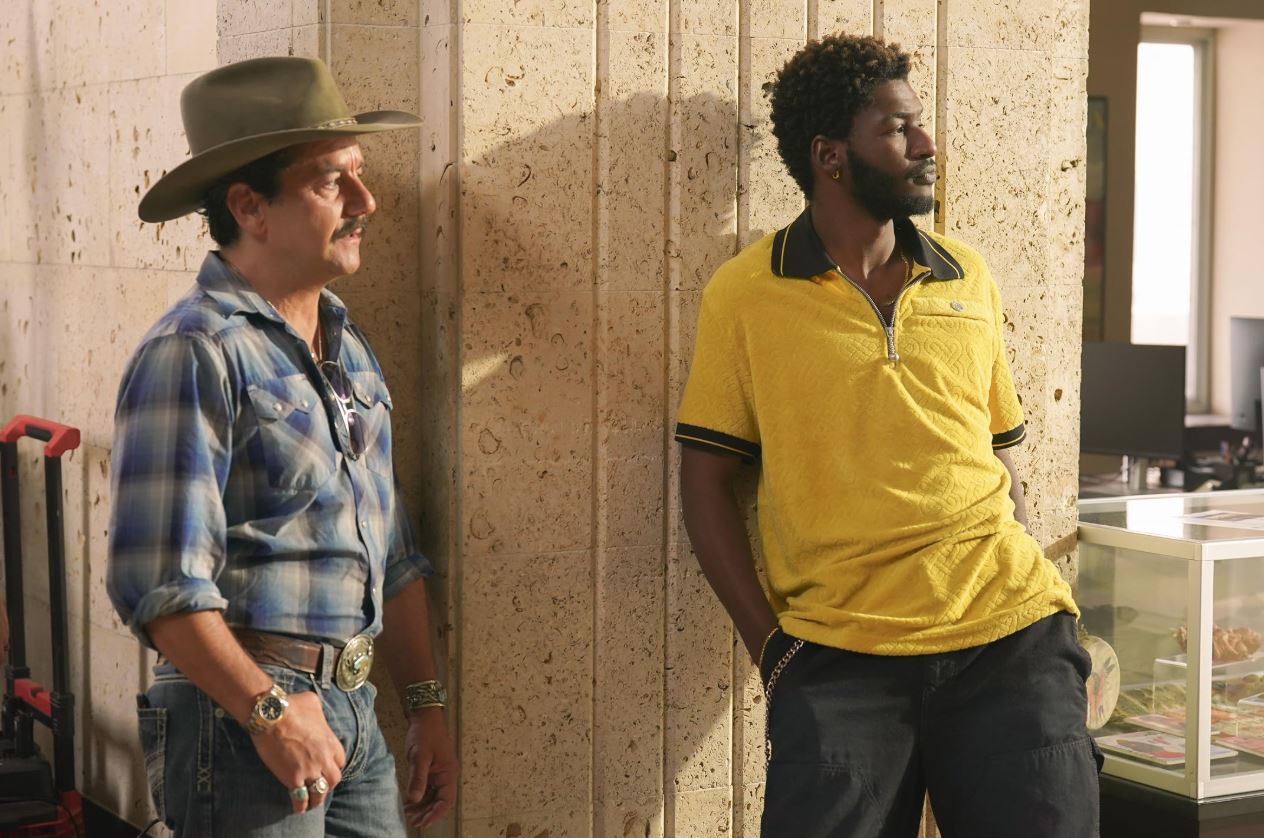
Supporting characters are not merely window dressing in Tulsa King. Whether it’s the loyal and comedic Tyson, played brilliantly by Jay Will, or the complex, morally grey Bodhi, the ensemble cast feels like a living, breathing ecosystem. Each character is given enough screen time to develop their own personal arcs that intersect with Dwight’s in meaningful ways.
The pacing of the show is deliberate and confident. Season One spends significant time establishing the stakes and the “culture shock,” while Seasons Two and Three lean heavily into the consequences of Dwight’s power-grabbing. There is never a moment of “filler” and every scene adds a layer to the plot.
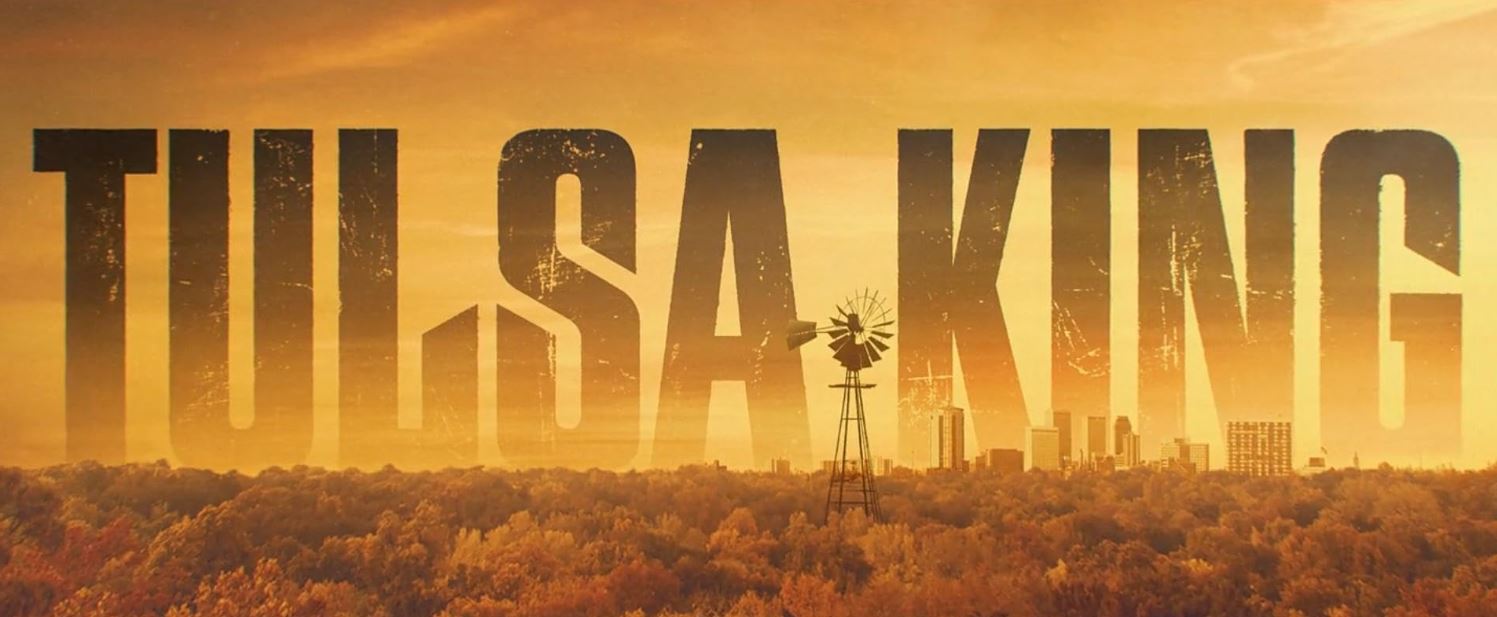
Visually, the series is stunning. The cinematography captures the vast, golden hues of the Oklahoma landscape, effectively juxtaposing the vastness of the plains with the claustrophobic, violent nature of Dwight’s criminal dealings. The aesthetic is distinct, giving the show a cinematic quality that is often lacking in standard broadcast television.
The villains, or antagonists, throughout these three seasons have been top-tier. They aren’t just generic gangsters; they are rivals who represent different facets of power—corporate greed, local corruption, and generational rivalries. This variety keeps the tension high because Dwight can never rely on the same strategy twice.
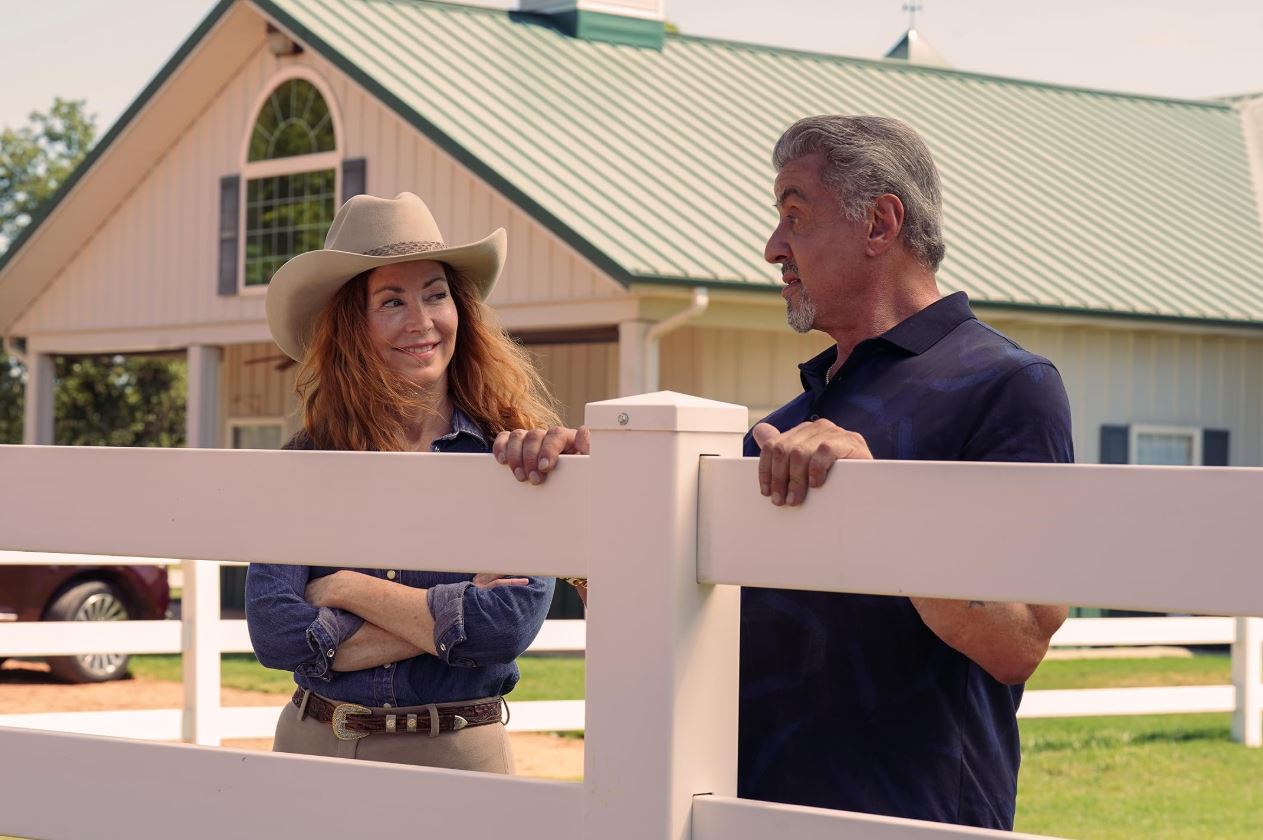
One of the show’s strongest assets is its sharp dialogue. The script is filled with quick-witted banter and moments of sincere, heavy philosophical inquiry. Dwight’s interactions with his estranged daughter are particularly poignant, grounding the high-stakes mob drama in a relatable search for redemption and forgiveness. The moral ambiguity of the protagonist remains a highlight. You want to root for Dwight because he operates under a strict, albeit brutal, code of honor. Seeing how he weighs his “old ways” against his growing affection for his new makeshift family in Tulsa creates a compelling internal struggle that carries through all three seasons. When analyzing the growth between the seasons, it is clear that the writers are not afraid to take risks. Characters are not safe, and the consequences of the Mafia’s expansion are felt deeply. This willingness to burn bridges and shift the status quo keeps the audience constantly guessing what will happen next.
The political commentary sprinkled throughout the series is subtle yet impactful. By tackling the issues of modern American life—ranging from the decline of once-great cities to the changing nature of the workforce—Tulsa King manages to be social commentary disguised as a high-octane crime thriller. Comedy is used sparingly but effectively. It is never forced. Instead, it arises naturally from the absurdity of a New York mobster having to navigate the polite, slower pace of Tulsa society. These moments of levity prevent the show from becoming too grim.
The arc of the New York crime family remains a looming shadow, providing a constant sense of dread. The tension between the home front and the frontier creates a “ticking clock” sensation that elevates the stakes of every business venture Dwight pursues in Oklahoma.
In terms of production value, the show is flawless. The sets, the costumes, and the stunt choreography all feel authentic. There is a weight to the violence in the show—it is never glorified or overly stylized but instead carries the visceral impact of real-world consequences.

One of the most impressive aspects of these three seasons is how Dwight’s “empire” actually functions. We see the logistics of money laundering, protection rackets, and business acquisitions in a way that feels grounded. It isn’t just about shootouts; it’s about the boring, gritty labor of building a criminal enterprise from scratch. By the end of the third season, the show has firmly established itself as a titan of the genre. It feels like a complete story that is constantly expanding, rarely hitting a dip in quality. The writing has matured, the performances are tighter, and the world-building is expansive. Ultimately, Tulsa King is a rare gem that hits all the right notes. It is a show about a man finding a home in the most unlikely of places, and it does so with style, heart, and a dangerous edge. For anyone who appreciates high-quality storytelling, this is essential viewing that comfortably earns its 9.5/10 rating.
Season 4 of Tulsa King premieres Friday, October 16, 2026 on Paramount+
© 2026 CoastalCarolinaNews.com. All rights reserved.

Be the first to comment