
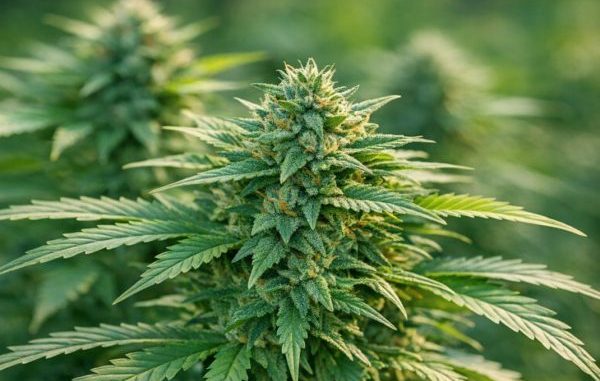
With Democrats now controlling the General Assembly and public support rising, lawmakers could face mounting pressure to revisit cannabis reform in 2027.
RALEIGH, NC — North Carolina’s marijuana policy debate may be entering a new chapter after the 2026 election delivered Democrats control of the North Carolina General Assembly for the first time in more than a decade. The shift creates a substantially different political environment for cannabis legislation heading into the 2027 session.
The election reshaped the balance of power in Raleigh and strengthened the position of Democratic Gov. Josh Stein, whose administration has shown increasing interest in examining cannabis policy reform.
Marijuana policy has become a growing topic of discussion under the Stein administration.
In 2025, Stein established the North Carolina Advisory Council on Cannabis to study cannabis policy and develop recommendations for lawmakers. The council has reviewed issues including public health protections, consumer safety, taxation, licensing, economic impacts and law enforcement considerations.
The evolving political landscape comes as public support for legalization continues to grow.
A September 2026 Elon University Poll found that 75% of North Carolinians support legalizing medical marijuana, while 55% support legalizing recreational marijuana.
Support was even stronger in an October survey conducted by SurveyUSA. That poll found 74% support for medical marijuana legalization and 63% support for recreational legalization. Researchers also found majority support for recreational marijuana among Democrats, independents and Republicans.
Despite increasing public support, North Carolina has yet to establish a comprehensive statewide medical marijuana program.
In recent years, medical marijuana legislation advanced through the Senate but ultimately failed to become law. As a result, North Carolina remains one of the few states without a statewide medical cannabis framework.
The state’s cannabis landscape does include one notable exception. In far western North Carolina, the Eastern Band of Cherokee Indians operates legal adult-use cannabis sales on tribal lands centered around Cherokee in the Great Smoky Mountains region. The tribal operation remains North Carolina’s only legal recreational marijuana marketplace.
Even with Democratic control of both chambers, major policy decisions remain before any marijuana legislation could become law.
Lawmakers must still determine whether North Carolina should create a medical marijuana program first or pursue a broader adult-use market.
Issues involving taxation, licensing, local government authority, workplace policies, public health standards, product regulation and impaired-driving enforcement would all need to be addressed before a statewide cannabis framework could be implemented.
Supporters of reform argue that a Democratic governor, Democratic legislative majorities and increasing public support have created the most favorable environment for marijuana legislation North Carolina has seen in years. Whether lawmakers pursue medical marijuana, recreational legalization or a phased approach remains one of the key policy questions heading into 2027.
THE CAROLINAS AND CANNABIS
Where North Carolina and South Carolina Stand Heading Into 2027
NORTH CAROLINA
Medical Marijuana: North Carolina does not have a comprehensive statewide medical marijuana program. Recent medical cannabis legislation advanced through the General Assembly but did not become law.
Recreational Marijuana: Adult-use marijuana remains illegal under state law, although the Eastern Band of Cherokee Indians operates legal adult-use cannabis sales on tribal land.
Political Outlook: Democrats now control the General Assembly, Gov. Josh Stein supports regulated cannabis reform, and a state advisory council has been studying legalization frameworks.
Public Support: Recent polling shows recreational marijuana support ranging from 55% to 63%, while support for medical marijuana exceeds
SOUTH CAROLINA MedicalMarijuana: South Carolina does not currently have a statewide medical marijuana program. The South Carolina Compassionate Care Act (S.53) remains under consideration but has not become law.
Recreational Marijuana: Adult-use marijuana remains illegal statewide.
Political Outlook: Lawmakers continue to debate medical marijuana legislation, but previous versions of the Compassionate Care Act have stalled despite receiving Senate support.
THE BOTTOM LINE
Both Carolinas remain without comprehensive statewide medical marijuana programs. However, North Carolina’s post-election political landscape has created new momentum for cannabis reform, while South Carolina continues to focus on whether to establish a medical marijuana framework.
Sources: Coastal Carolina News reviewed reporting and publicly available records from WRAL, WCNC, CBS 17, the Elon University Poll, SurveyUSA, the North Carolina Advisory Council on Cannabis, and the South Carolina Legislature while preparing this article. Election results, polling figures and legislative status information were cross-referenced with available source materials as of Nov. 5, 2026.
© 2026 CoastalCarolinaNews.com | Jones Media Partners LLC. All rights reserved.
No content from this publication may be reproduced, republished, or used for commercial purposes without prior written authorization from Jones Media Partners LLC. For questions or comments call 910.898.2770 or you can reach out via our Contact Page.


Be the first to comment