
Unanimous vote gives correctional facilities a new tool to combat contraband phones linked to violence, drug trafficking, and criminal activity behind bars
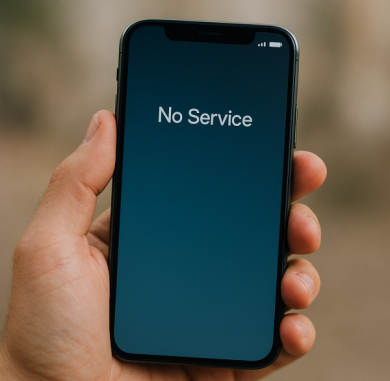
South Carolina officials scored a long-sought victory Thursday when the Federal Communications Commission unanimously approved rules allowing state prisons and local jails to pursue the use of cell phone jamming technology aimed at stopping contraband devices behind bars.
The action follows years of advocacy by South Carolina corrections officials and law enforcement leaders, who have argued that smuggled cell phones enable inmates to continue criminal activity while incarcerated.
Officials say contraband phones have been used to facilitate drug trafficking, intimidate witnesses, coordinate violence, and communicate with criminal associates outside prison walls.
The issue gained national attention after former South Carolina Department of Corrections anti-contraband officer Robert Johnson survived a 2010 assassination attempt that authorities said was ordered by an inmate using an illegal cell phone. Johnson has since become one of the most prominent advocates for allowing signal-jamming technology in correctional facilities.
The FCC’s decision does not immediately authorize prisons to begin jamming signals. Instead, correctional facilities must seek approval and demonstrate that any system can operate without disrupting wireless service outside prison grounds.
Supporters say the technology could provide correctional officials with another tool to combat a problem that has persisted for years despite ongoing searches, interdiction efforts, and thousands of phone seizures.
South Carolina leaders, who have been among the nation’s strongest proponents of the change, called the vote an important step toward improving prison security and protecting the public from crimes orchestrated from inside correctional facilities.
© 2026 CoastalCarolinaNews.com | Jones Media Partners LLC. All rights reserved.


Be the first to comment