
Regional News:
WASHINGTON — Americans hoping this year would mark the end of the biannual clock change will have to wait. Despite growing public frustration and a surge in congressional momentum, federal efforts to eliminate the shift remain deadlocked, leaving the current schedule firmly in place.
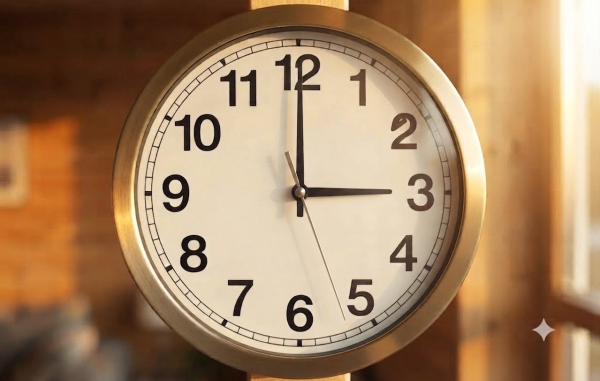
As a result, most of the nation will observe the annual return to Standard Time this weekend, turning clocks back one hour.
While consensus exists that changing clocks twice a year creates unnecessary disruption, Capitol Hill remains split on how to resolve it. The primary vehicle for change—the Sunshine Protection Act—aims to make Daylight Saving Time permanent nationwide.
The House of Representatives passed the measure with broad bipartisan support, but the proposal has stalled in the Senate due to competing regional interests and medical guidance.
The Policy Divide: Sunsets vs. Sunrises
The impasse in Washington stems less from political ideology and more from geography and chronobiology:
- The Case for Permanent Daylight Saving Time: Backers—including retail coalitions, golf course operators, and commercial groups—argue that extending late-afternoon daylight boosts consumer spending, encourages outdoor activity, and lowers crime rates.
- The Pushback from Northern States: Senators representing northern states caution that permanent Daylight Saving Time would push winter sunrises as late as 8:30 a.m. or 9:00 a.m. in high-latitude communities. That scenario would leave school children traveling to buses in pitch darkness for months.
- The Medical Position: Major health and scientific organizations, including the American Academy of Sleep Medicine, actively oppose permanent Daylight Saving Time. They advocate instead for permanent Standard Time, citing research showing that natural morning light is essential for regulating circadian rhythms, mental focus, and cardiovascular health.
Congress also remains mindful of historical precedent. During the 1973 energy crisis, federal lawmakers enacted year-round Daylight Saving Time. Public support rapidly evaporated during the dark winter months that followed, forcing Congress to repeal the law after less than a year.
Until federal legislation resolves these conflicting priorities, the Uniform Time Act of 1966 governs the national clock.
What Readers Need to Know for the Time Change
Because the federal framework remains unchanged, standard transition protocols apply for the upcoming change:
- Timing: Daylight Saving Time officially ends at 2:00 a.m. local time on Sunday, November 1 at which point clocks revert to 1:00 a.m.
- Sunlight Shift: The change yields an extra hour of sleep overnight. Moving forward, mornings will feature earlier daylight, while sunsets will occur an hour earlier in the evening.
- Equipment Updates: Automated electronics—including smartphones, tablets, computers, and smart devices—will adjust automatically. Manual equipment such as microwave timers, stove clocks, vehicle displays, and analog wall clocks must be updated manually.
- Health & Safety Recommendations: Sleep specialists advise getting direct exposure to natural morning light on Sunday to help align internal body clocks with the time shift. Public safety agencies also recommend using the fall transition as an annual reminder to test residential smoke and carbon monoxide detectors and replace aging batteries.
© 2026 CoastalCarolinaNews.com|Jones Media Partners LLC. All Rights Reserved.


Be the first to comment