
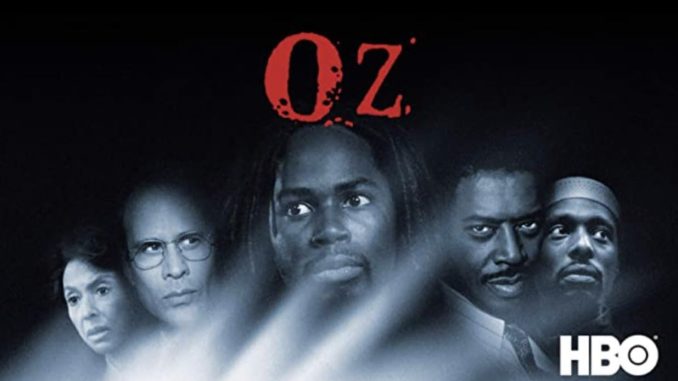

Oz, the groundbreaking flagship drama that effectively birthed the prestige TV era on HBO, remains a towering achievement in television history. Even decades after its final episode aired, the show holds up with a ferocity and unflinching honesty that few modern dramas have managed to replicate. With a staggering 9.8/10 rating, it stands as a masterclass in character development, thematic depth, and narrative tension.

Set within the experimental Oswald State Correctional Facility, the show immediately distinguishes itself through its claustrophobic, high-stakes environment. The “Emerald City” block acts as a pressure cooker, designed to rehabilitate inmates through education and community, yet it inevitably transforms into a battlefield. This setting is more than just a backdrop; it is a living, breathing character that exerts a suffocating influence on every soul trapped within its reinforced walls.
The brilliance of the show lies in its refusal to offer easy morality or simplified archetypes. Every inmate, from the complexly tragic Tobias Beecher to the chillingly calculating Vern Schillinger, is painted in varying shades of gray. The writers treat these characters with a brutal level of fairness, ensuring that even the most heinous criminals are afforded moments of vulnerability, fear, and profound human longing.

Narratively, Oz is held together by the haunting, Shakespearean narration of Augustus Hill. As the show’s Greek chorus, Hill provides insight into the philosophical underpinnings of prison life, connecting the specific, visceral violence of the block to broader questions about justice, redemption, and the nature of evil. These monologues serve as a poetic bridge between the chaotic action and the viewer’s own moral introspection.
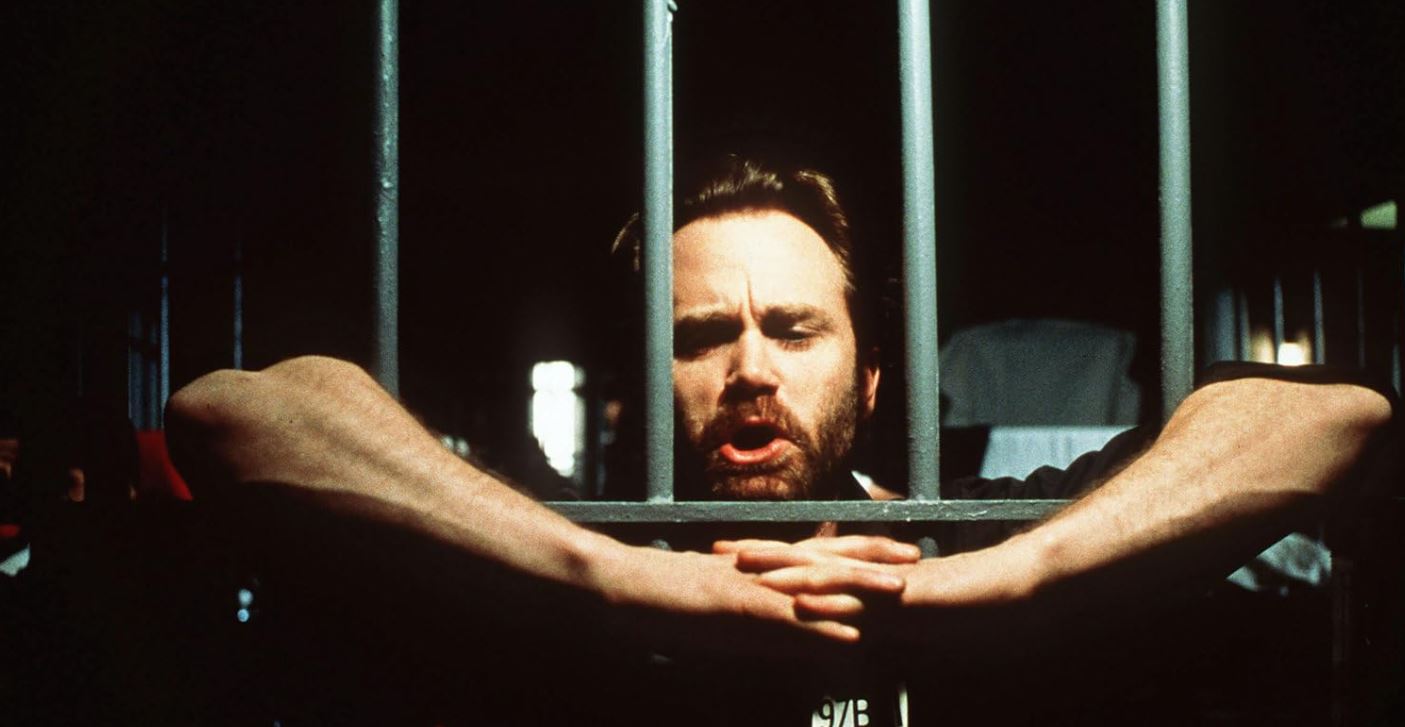
The casting is, quite frankly, legendary. The ensemble features a collection of actors who would go on to define television acting: J.K. Simmons, Dean Winters, Harold Perrineau, and Eamonn Walker all deliver performances that are raw, visceral, and uncompromising. You don’t just watch these characters; you feel the weight of their choices and the physical toll of their environment in every scene.


One of the most impressive aspects of the show is how it tackles systemic issues without ever feeling like a lecture. Through the lens of Warden Leo Glynn and the various prison doctors and staff, Oz dissects the failures of the American penal system. It explores the intersections of race, religion, sexuality, and politics, forcing the audience to confront uncomfortable truths about what we demand from our institutions and what we lose in the process.
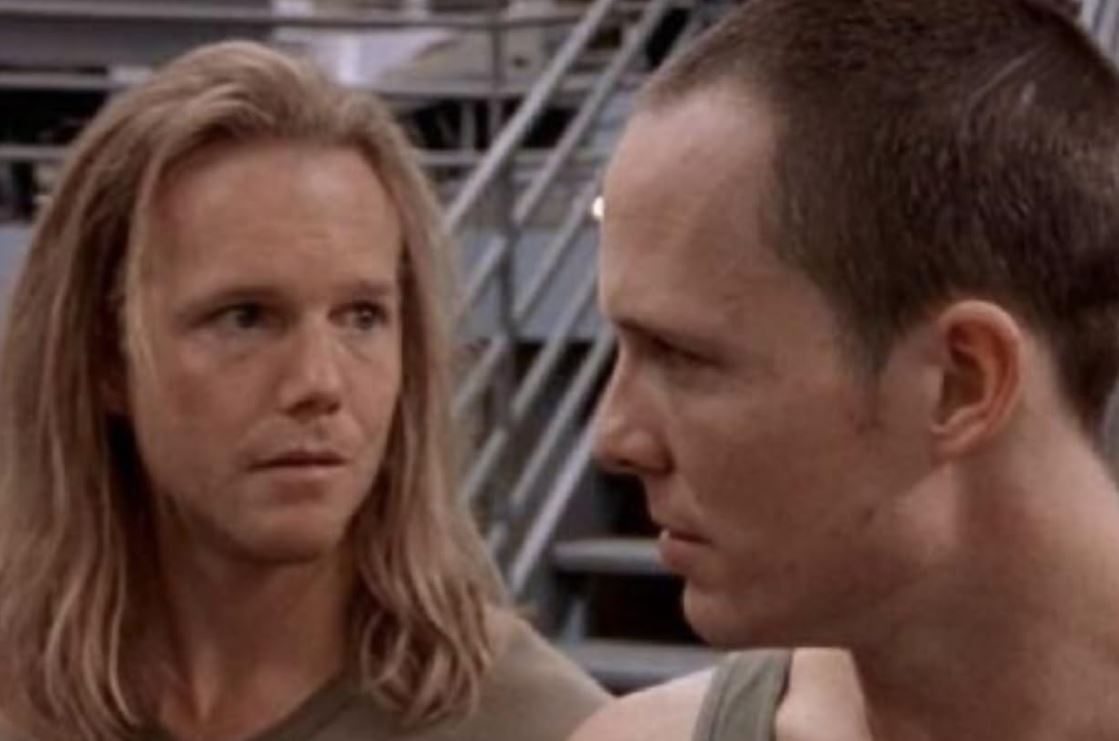
The violence in Oz is legendary, and while it is often shocking, it is rarely gratuitous. It is a necessary component of the world the creators have built. In a place where survival is the only currency, violence becomes a language, and the show utilizes it to illustrate the total erosion of the self. By the time a character meets their demise, the impact is profound because the audience has walked the razor’s edge alongside them.
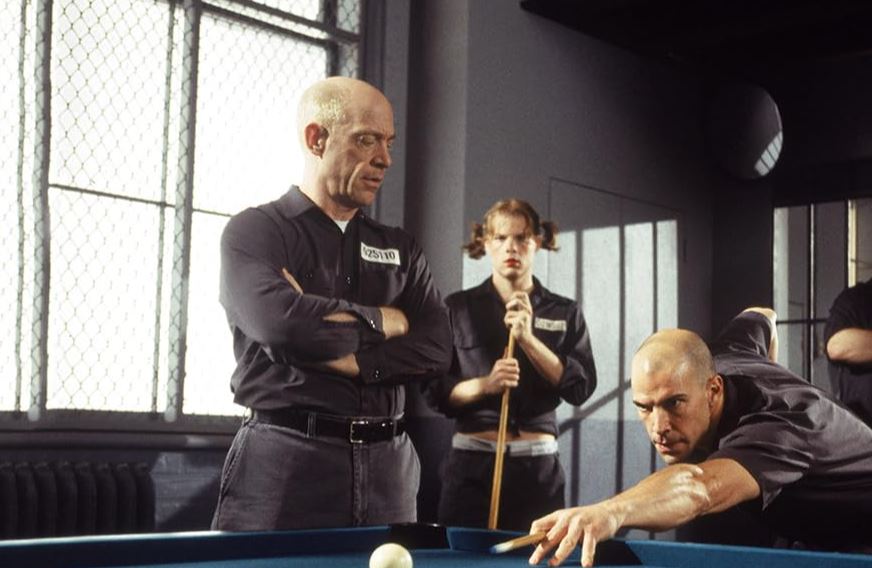
Visually, the show maintains a gritty, industrial aesthetic that feels earned. The stark lighting, the echoing metallic sounds of the cell doors, and the cramped, suffocating architecture create an immersive experience that keeps the viewer on edge. There is no polish or artifice here; it is an ugly, beautiful, and deeply immersive portrait of life at the absolute limit of existence.

The 0.2 deduction from a perfect score stems only from the occasional, wild plot twists that characterized the show’s later seasons. In its desire to keep the stakes perpetually sky-high, the writers occasionally leaned into soap-operatic absurdity. However, even when the narrative logic stretched thin, the emotional integrity of the performances kept the audience anchored, making the ride worth every chaotic turn.

Ultimately, Oz is a show about the fragility of humanity when placed in a cage. It asks if a person can truly change, or if we are merely products of the horrors we have endured. It is a challenging, often agonizing watch, but one that rewards the viewer with a transformative experience that lingers long after the screen goes black.
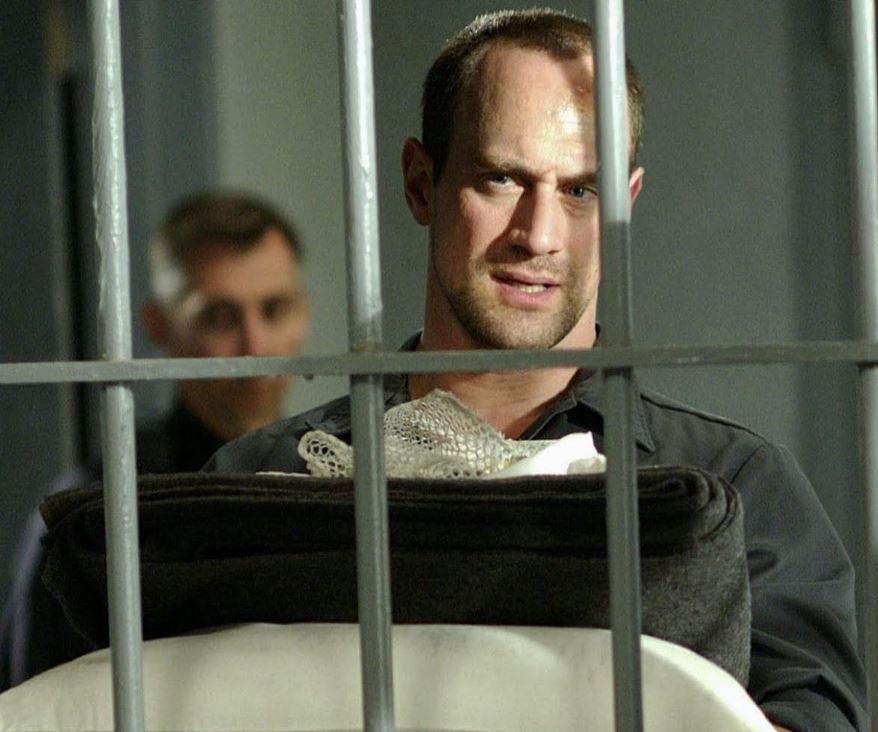
It is impossible to overstate the debt that shows like The Sopranos, The Wire, and Breaking Bad owe to Oz. It was the first true “watercooler” show that demanded intellectual engagement and moral debate, proving that television could be as sophisticated and demanding as the best of literature. It remains the gold standard for the “prison genre.”
If you have yet to step foot into Emerald City, you are missing out on a cornerstone of modern storytelling. It is bold, provocative, and incredibly daring, earning its 9.8/10 rating by being exactly what it set out to be: an uncompromising look at the darkest corners of the human condition. Oz isn’t just a TV show; it is an essential piece of cultural history that deserves to be seen by anyone who appreciates the pinnacle of the craft.
© 2026 CoastalCarolinaNews.com. All rights reserved.
