
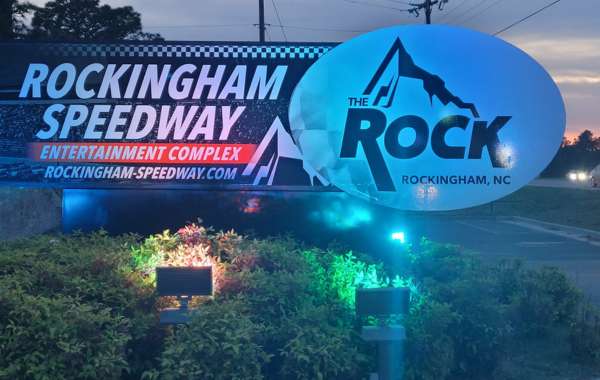
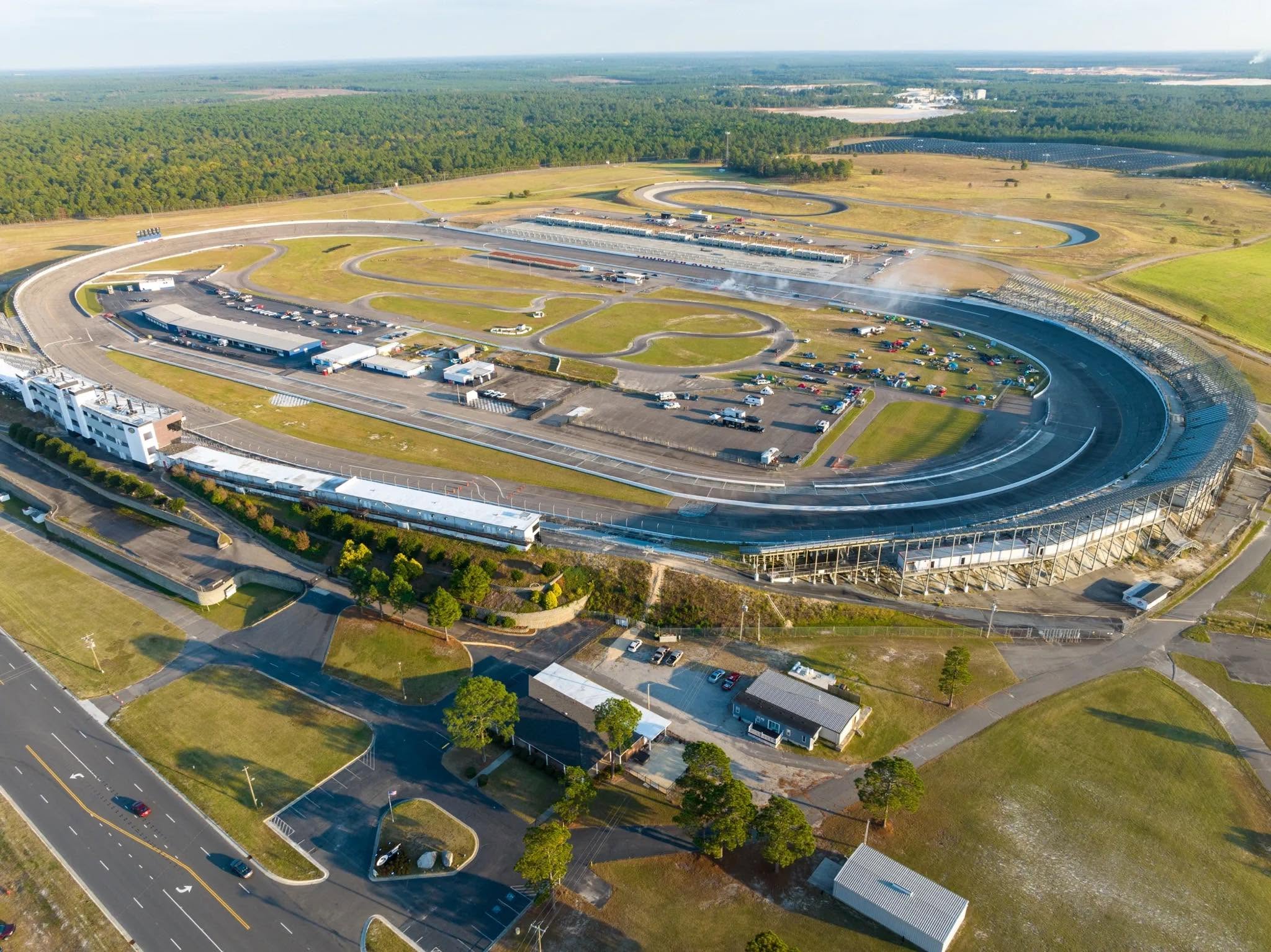
Rockingham, NC – For decades, the high-banked, one-mile oval of Rockingham Speedway—affectionately known to generations of racing fans simply as “The Rock”—stood as a temple of blue-collar, grassroots stock car racing. Tucked into the sandhills of Richmond County, North Carolina, the track built a reputation for brutal tire wear, intense multi-groove racing, and an atmosphere that captured the authentic heart of NASCAR’s golden era.
Today, however, the storied facility finds itself caught in a turbulent web of financial rumors, state funding scrutiny, and an uncertain future that mirrors the broader struggles of legacy motorsports venues across America.
A Storied Past: The Glory Days of Rockingham
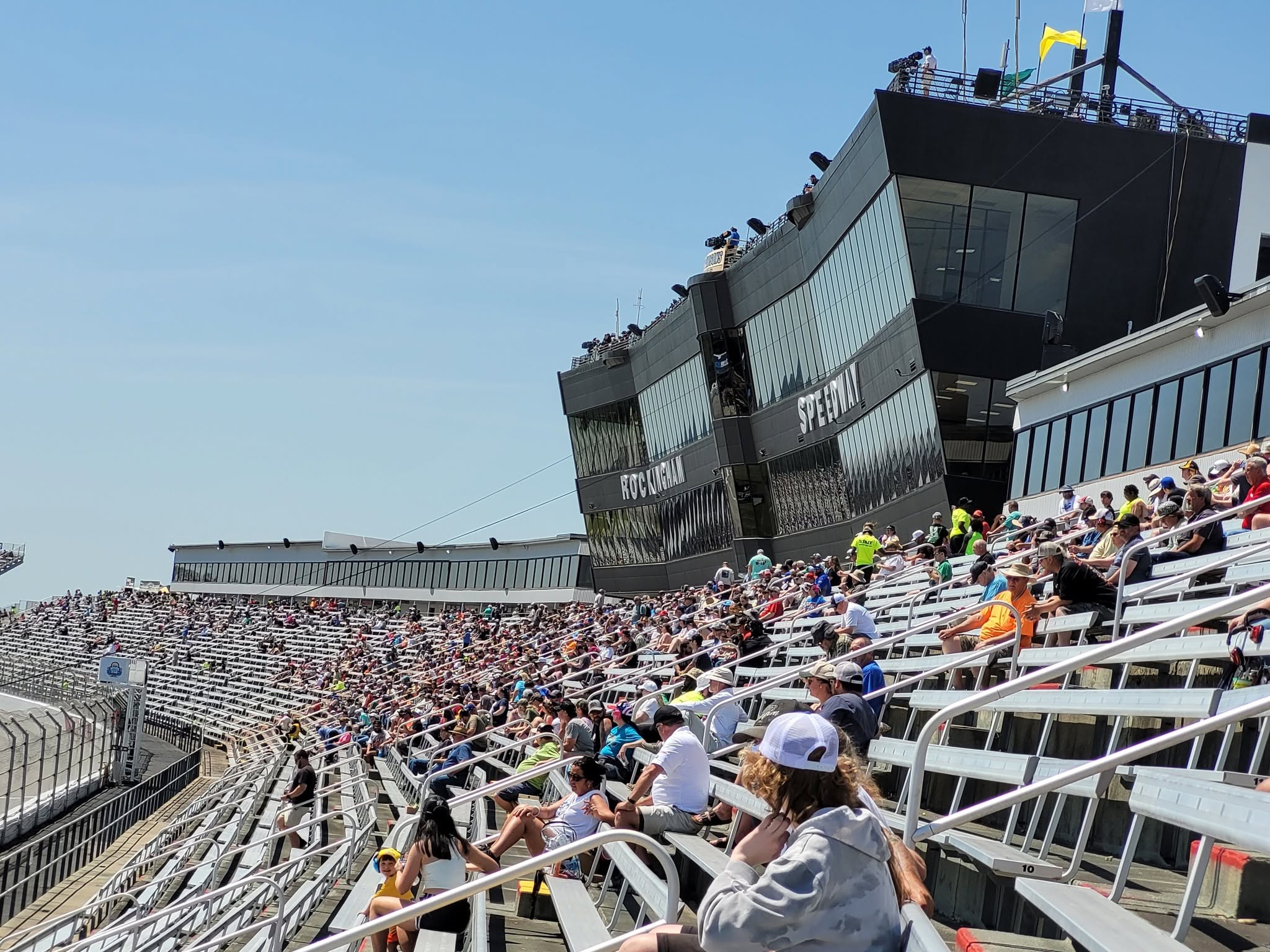
Opened in 1965 as North Carolina Motor Speedway by L.G. DeWitt and Curtis Turner, The Rock quickly became a staple of NASCAR’s top-tier Cup Series. For nearly 40 years, it hosted legendary battles featuring icons like Richard Petty, Cale Yarborough, Dale Earnhardt, and Rusty Wallace.
The track’s defining characteristic was its abrasive, asphalt-eating surface. Drivers couldn’t simply rely on horsepower; success at Rockingham demanded tire management, grit, and precision.
However, as NASCAR expanded into larger TV markets during the late 1990s and early 2000s, traditional Southeastern short tracks and intermediate ovals paid the price. Following corporate realignments, Rockingham lost its spring Cup date, and after the 2004 season, its autumn race was moved to Texas Motor Speedway. For years, the engine roars fell silent, and weeds began pushing through the cracks in the asphalt—a painful sight for traditionalist race fans who feared The Rock would be lost forever.
Modern Revival & State Funding Investments
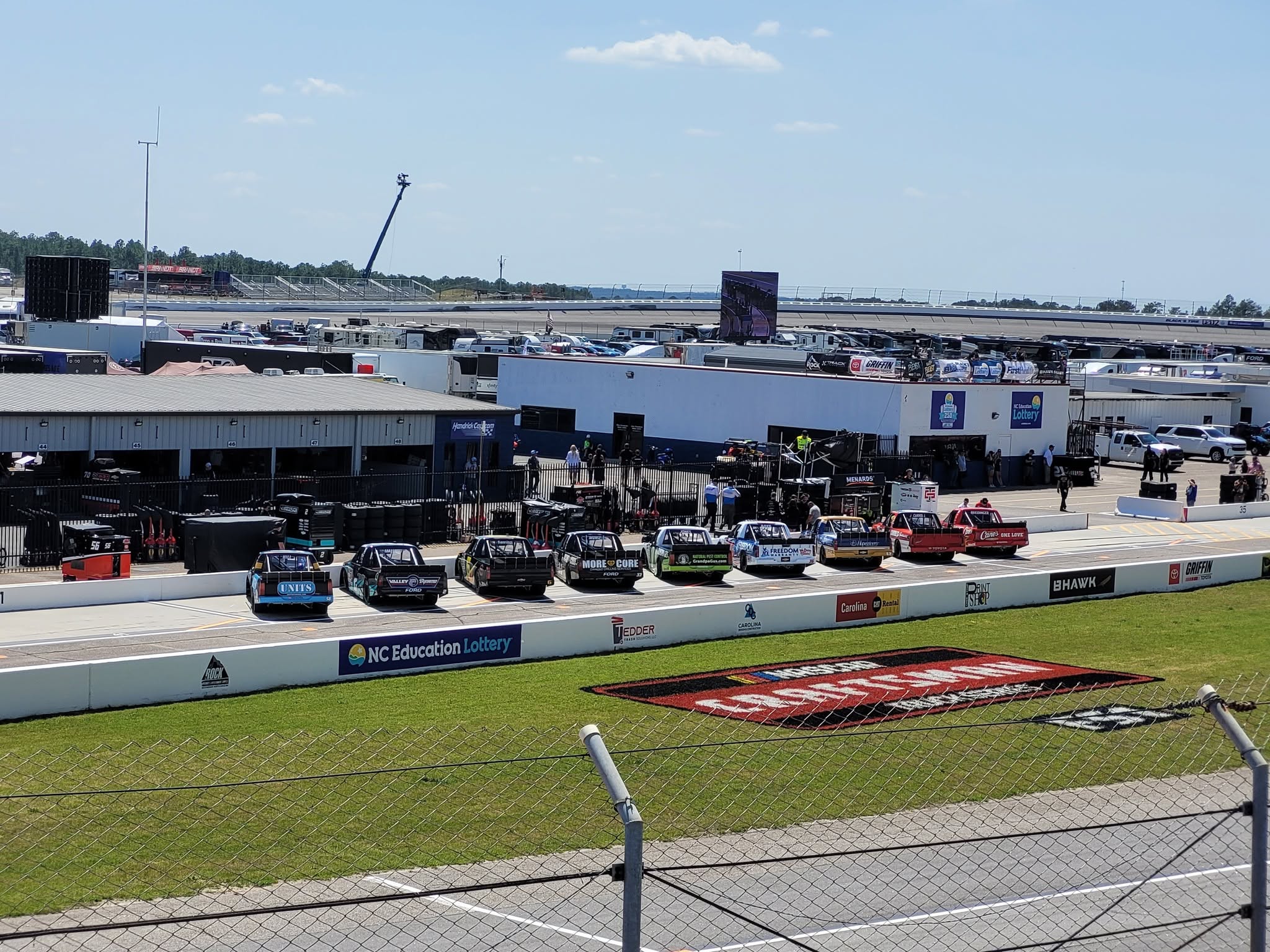
After brief revivals under former driver Andy Hillenburg and later local ownership—which included hosting NASCAR Craftsman Truck Series races—the property entered a new chapter under current owner Darryl Cuttell and Rockingham Speedway Investments LLC.
In recent years, momentum built around restoring the track to modern racing standards. Recognizing the economic impact motorsports bring to rural North Carolina, the N.C. General Assembly allocated significant public funding to help revitalize legacy tracks across the state, including Rockingham, North Wilkesboro Speedway, and Charlotte Motor Speedway.
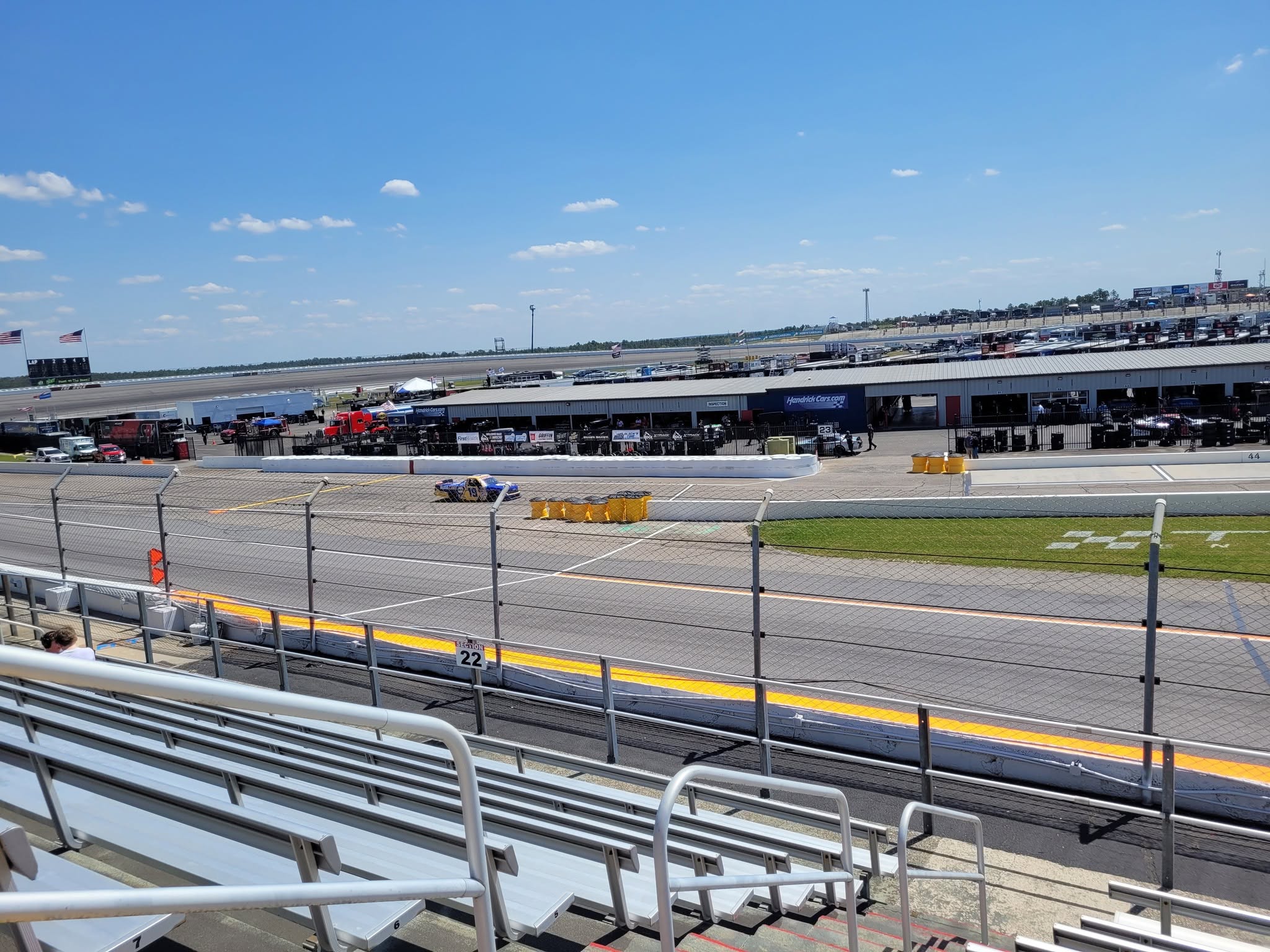
Through state appropriations and private funding, over $12 million was poured into infrastructure upgrades at Rockingham, culminating in a complete resurfacing of the iconic one-mile oval and the infield road course. The physical facility looked healthier than it had in two decades, positioning itself for a potential return to major national racing series.
The $10 Million Rumors and Sale Uncertainty
Despite the physical makeover, the business side of The Rock has recently been surrounded by intense speculation and online chatter.
-
The $10 Million Threshold: Track President Kenny Nowling established that ownership set an absolute minimum asking price of $10 million for any potential buyout of the facility.
-
Rejected Bids: Major promotion groups—including Track Enterprises, led by Bob Sargent (who promoted recent events at the track)—made acquisition offers, but they were turned down by current ownership for failing to meet the $10 million valuation.
-
Online Speculation vs. Reality: Social media forums recently circulated claims that an anonymous investor group had successfully struck a $10 million deal to buy out Cuttell. However, track leadership confirmed that no sale has officially closed. To bring clarity to the process, owner Darryl Cuttell elected to take the property to auction through real estate firm Tranzon Atlas, utilizing a sealed-bid process requiring a $100,000 deposit.
-
State & Federal Rumors: Unverified online reports also claimed that state and federal authorities (including the SBI and FBI) were investigating the track over the allocation and use of state infrastructure grants. To date, there are no official public records or agency announcements validating active criminal investigations regarding the track’s funding.
While fans hold out hope for a seamless transition that could get The Rock back on the NASCAR schedule, the track remains in a crucial due diligence and sales phase.
A Symbol of Racing’s Broader Struggle
The saga at Rockingham is not an isolated story. Across North America, grassroots and legacy motorsports venues face existential pressure:
-
Suburban Encroachment & Real Estate Pressure: Many historic tracks sit on vast acres of land that have become prime targets for industrial warehousing, residential development, or commercial real estate. Facilities like California’s Auto Club Speedway (Fontana) have been dismantled or downsized due to shifting land values.
-
Capital-Intensive Operations: Modernizing a 1960s or 1970s racing venue to meet 21st-century safety standards, barrier requirements, grandstand comfort, and broadcast capability requires tens of millions of dollars—an investment difficult to recoup without guaranteed, long-term national sanctioning agreements.
-
The Balance Between Tradition and Modernity: As sanctioning bodies experiment with street courses, stadium exhibition races, and international expansion, traditional regional tracks must fight harder than ever to prove their economic viability.
Looking Ahead
Rockingham Speedway represents the soul of Southern stock car racing. The millions invested in its new surface proved that the appetite to save the venue is real, but the path to long-term stability requires clear ownership, transparent management, and a sustainable event model.
Whether The Rock finds its next chapter under new ownership through auction or continues under its current banner, fans across the Carolinas remain united in one hope: that the grandstands will fill once more, and the thunder of stock cars will remain a permanent fixture of Richmond County for generations to come.
© 2026 CoastalCarolinaNews.com | Jones Media Partners LLC
No content from this publication may be reproduced, republished, or used for commercial purposes without prior written authorization from Jones Media Partners LLC. For questions or comments call 910.898.2770 or you can reach out via our Contact Page.


Be the first to comment