

By Coastal Carolina News Staff Writer
RALEIGH, NC –– North Carolina health officials have confirmed two deaths linked to West Nile virus, marking the state’s first reported fatalities from the mosquito-borne disease this year.
The deaths involved two adults from central North Carolina, though officials have not released the counties where the individuals lived.
The announcement comes as mosquito activity remains elevated later into the fall season than many residents might expect. State officials say mosquitoes capable of transmitting West Nile virus can remain active as long as temperatures stay warm enough to support biting activity.
According to federal surveillance data, North Carolina had reported 15 human West Nile virus disease cases in 2026 as of mid-October.
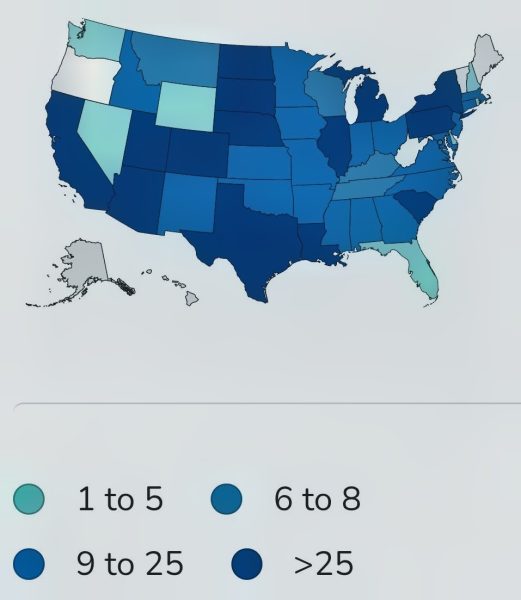
While the recent deaths have raised concerns, there have been no publicly announced human West Nile virus cases or deaths reported in Brunswick County or Columbus County this year based on currently available state and federal surveillance information.
Earlier in the season, the North Carolina Department of Health and Human Services investigated the state’s first reported 2026 West Nile virus illness in a Gaston County resident. A West Nile-positive blood donor was also identified in Mecklenburg County through routine screening. Additionally, state laboratory testing detected the virus in mosquitoes collected in Cabarrus, Forsyth and Mecklenburg counties.
West Nile virus is transmitted through the bite of infected mosquitoes after they feed on infected birds. The virus does not spread from person to person.
Health officials continue to encourage residents across North Carolina, including coastal communities, to reduce exposure to mosquitoes by using insect repellent, wearing protective clothing when outdoors, maintaining window and door screens, and eliminating standing water around homes where mosquitoes can breed.
Although the recent fatalities occurred elsewhere in the state, public health experts note that mosquito-borne illnesses can occur wherever infected mosquitoes are present, making prevention measures important throughout North Carolina during warmer months.
© 2026 CoastalCarolinaNews.com. All rights reserved.


Be the first to comment