
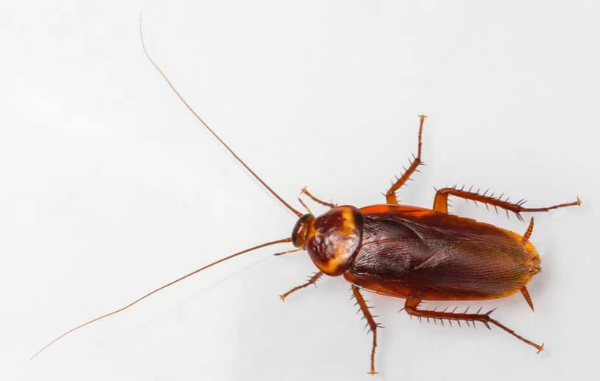
Cooler temperatures often send the Southern pests indoors, surprising newcomers unfamiliar with life in the Carolinas.
As temperatures begin to fall across North Carolina, many residents, especially those new to the region, notice an unwelcome visitor suddenly appearing inside their homes: the palmetto bug.
Longtime Southerners may laugh at the term. After all, there’s an old joke that a true Southern lady never has cockroaches in her house, only the occasional “palmetto bug.”
Despite the friendlier nickname, palmetto bugs are actually large species of cockroaches commonly found throughout the Southeast. In North Carolina, the term is often used to describe American cockroaches and smoky brown cockroaches, both of which normally live outdoors before occasionally wandering inside.
The appearance of these insects inside a home does not necessarily mean a house is infested.
Pest experts say cooler weather often drives outdoor roaches indoors in search of warmth, moisture and shelter. Palmetto bugs are also known to move inside during periods of heavy rain, drought or other weather changes that disrupt their outdoor habitat.
North Carolina’s climate creates ideal conditions for cockroaches. The state’s warm, humid weather allows many species to thrive outdoors for much of the year around trees, mulch beds, wood piles and leaf litter. When temperatures begin dropping in the fall and winter months, homes become attractive hiding places.
Many palmetto bugs enter through small cracks, gaps around doors and windows, damaged screens, crawl spaces, garages and utility openings. Once inside, they are commonly found in bathrooms, laundry rooms, basements, crawl spaces and other damp areas.
The North Carolina Department of Agriculture and Consumer Services recommends eliminating sources of food, water and shelter to help prevent cockroach problems. Homeowners are encouraged to repair leaks, keep food sealed, remove clutter and seal potential entry points around the home.
Here are some cockroach-reducing tips shared by the N.C. Department of Agriculture
- Don’t leave dirty dishes or food scraps out.
- Store food in tightly sealed containers.
- Empty trash regularly.
- Repair leaking faucets and plumbing.
- Move wood piles and leaf piles away from the home.
- Seal cracks and gaps around doors, windows and utility lines.
If you continue seeing roaches indoors, experts recommend contacting a licensed pest-control professional. Homeowners can also use approved bait stations, traps or pesticide products, but should always carefully follow label directions. The N.C. Department of Agriculture notes that baits are often effective because cockroaches carry them back to their hiding places.
For many longtime North Carolinians, spotting an occasional palmetto bug is simply part of living in the South. For newcomers, understanding why these pests move indoors during cooler weather can help prevent alarm and make it easier to keep them outside where they belong.
© 2026 CoastalCarolinaNews.com. All rights reserved.


Be the first to comment